
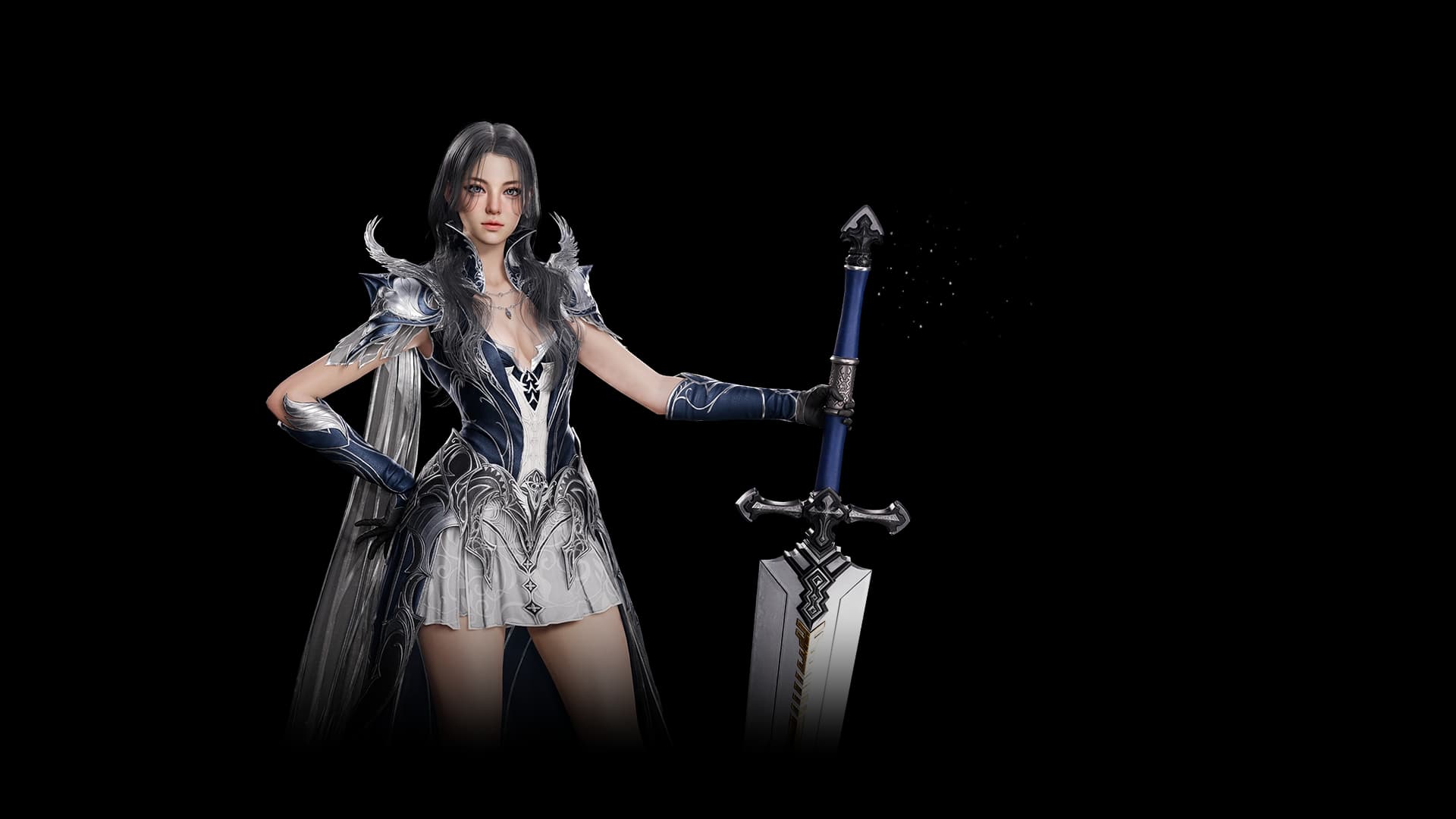
The AION 2 Gladiator is the Global edition's frontline vanguard, presented by NC as a warrior carrying a colossal blade. Choose it if that direct, blade-led combat identity appeals to you more than shields, ranged shots, healing or spellcasting. Its current optimal build remains unconfirmed here, so this guide helps you understand the class choice without inventing skill rotations, equipment prescriptions or performance rankings.
What the official Gladiator identity tells you
The official Global introduction places Gladiator at the front of the battlefield and makes its large blade central to its presentation. That gives a prospective player a concrete starting point: this is the class to examine when the appeal is a warrior confronting enemies directly. The description establishes a combat fantasy, while the abilities available to your own character still need to be read in the Global client.
The same introduction does not provide a complete weapon eligibility list, a tested damage comparison or an optimal ability sequence. A large weapon in official artwork cannot establish which equipment choices are currently permitted, and a frontline description does not automatically establish a tank assignment. Keep those questions separate from the confirmed identity when deciding whether the class is interesting enough for you to explore.
Gladiator or Templar: blade or shield?
Templar is the closest thematic comparison because its official presentation also puts a guardian on the battlefield's front line. Its defining image is a firm defensive presence with a shield, while Gladiator's defining image is the blade-bearing vanguard. If your main attraction is the large weapon and warrior identity, examine Gladiator; if the shield and guardian identity matter more, examine Templar before choosing.
That comparison describes the two classes' themes without assigning either an unverified responsibility in every dungeon. It does not establish which one survives longer, deals more damage or is preferred by a particular group on the current update. The classes hub keeps the eight identities together, making it easier to compare what you want to play before looking for activity-specific evidence.
Compare stealth, ranged attacks and support
Assassin and Ranger offer different official identities from the conspicuous blade warrior: Assassin approaches unseen, while Ranger is presented through carefully placed shots. Consider those classes if the attraction is an unseen approach or a ranged hunter rather than Gladiator's frontline presentation. These descriptions are useful for narrowing a preference, but they do not establish stealth durations, attack ranges, difficulty ratings or the fastest way to level.
Chanter and Cleric make another useful contrast when your interest is helping allies rather than the vanguard fantasy. NC presents Chanter through blessings and protection, and Cleric through preserving life with healing light. Choosing between those themes and Gladiator is a question about the role you want to investigate, rather than proof that one class is universally better or that a specific party composition is mandatory.
Would magic be a better match?
Sorcerer is presented through destructive arcane power, while Spiritmaster's identity centers on spirits and elemental power. Those are distinct reasons to choose a class, even though the official introductions do not publish a comparative chart of their current damage, mobility or resource demands. If spells or spirit-commanding are the main attraction, compare those options directly instead of choosing Gladiator only because a ranking places it above them.
After considering these alternatives, ask what made the Gladiator appealing in the first place: the large blade, the frontline warrior theme, or a claim about strength. The first two are supported by its official presentation; the last needs evidence tied to Global, an update and an activity. Our tier-list guide explains that distinction so a class preference does not get confused with a tested performance conclusion.
Understand the game's movement and combat context
The official Steam description emphasizes precision, timing and positioning in AION 2 combat. It also presents class customization and adapting decisions as encounters change, which is useful context for the type of action game you are joining. These are game-wide features, however, and they do not establish a Gladiator-specific combo, cancel technique or timing window that this guide has measured.
Flight and verticality also matter to the game's presentation, with aerial movement described as part of fighting and exploration. A preference for a blade warrior should therefore be considered within a world built around three-dimensional movement, rather than only through an image of stationary ground combat. The verified material does not establish how individual Gladiator abilities interact with flight, so exact aerial sequences and movement limits remain to be confirmed.
Separate solo, five-player and ten-player questions
Global's official introduction describes solo challenges, five-player party content and ten-player group dungeons within its broader dungeon offering. These formats give a Gladiator player several different questions to ask: what the activity involves, what the encounter requires, and what evidence a class recommendation actually covers. Their existence does not prove that a class can clear every solo challenge or occupy the same role in every group.
For solo advice, look for the specific challenge and the character conditions behind a claim rather than a general label such as best solo class. For group advice, look for the encounter and the responsibility being evaluated rather than treating party size as a complete explanation. Current Gladiator survival, damage and group desirability have not been measured here, so no score or guaranteed result is assigned to those formats.
Choose the Global account before investing in a character
The official Launch FAQ identifies Windows PC clients through Steam and PURPLE and lists Global server regions including North America, South America, Europe and Japan. Character progress from the Korea or Taiwan editions cannot transfer to Global, which matters when comparing an existing character with a new Gladiator choice. This account distinction is more useful before character creation than after following a guide for the wrong edition.
Steam players do not need manual PURPLE linking simply to start, while linking is relevant to sharing the same character and progress between those two clients. If you intend to play with friends, agree on the service region and check the character options presented in your clients before committing to separate accounts. Use the beginner guide for that setup; this class overview does not replace the official account instructions or promise character transfers.
What still needs confirmation for a Gladiator build?
Named skill priorities, combo sequences, attribute thresholds, equipment eligibility and comparative strength remain unverified in this guide. Before adopting a build, identify its Global update, intended activity and character conditions, then check whether its recommendations are actually explained by evidence. A guide from another edition can show you an interesting idea, but it cannot automatically establish the current Global behavior of a skill or item.
The useful decision available now is narrower: choose Gladiator because its verified blade-vanguard identity matches what you want to investigate, or compare a different official class identity first. Once you have a Global character, use the client and current official notices to establish the abilities and choices available to that character before relying on a detailed recommendation. Return to class selection if the theme no longer fits, and keep any future build conclusion tied to the activity it actually covers.